








How consumers behavior has changed
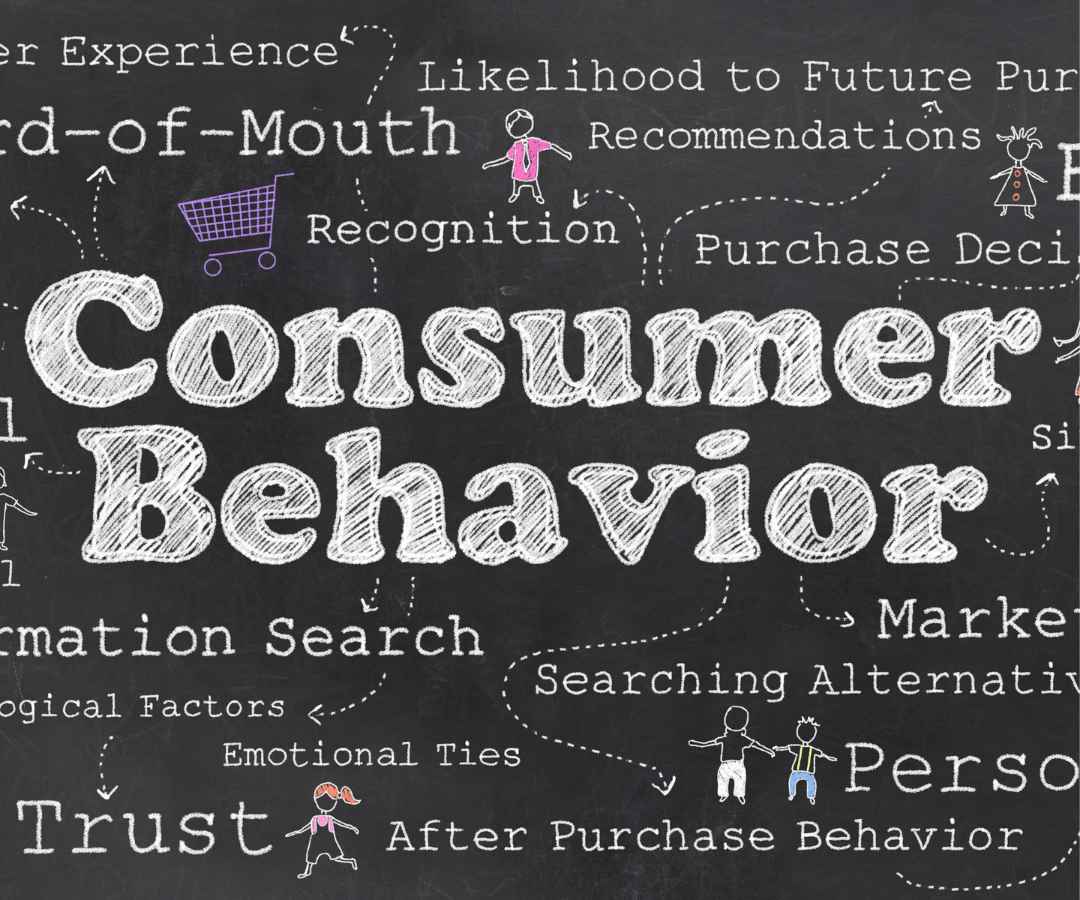
The fifth edition of the South African Customer Experience Report shows that now that the Covid hangover is almost over, consumers behaviour has changed, presenting both a threat and an opportunity for brands.
In an article in BizCommunity – Consumers settle for good enough while brands create the leaky bucket syndrome – Charlie Stewart, Rogerwilco’s CEO and co-author of the Report together with ovatoyou’s Amanda Reekie and CX consultant, Julia Ahlfeldt have shown that the general malaise of load-and-water shedding, coupled with high interest rates, inflation, fuel and fuel prices is reflected in a nation-wide apathy in consumers who are accepting that, among the brands they shop from, ‘good enough is good enough’.
The authors of the report believe that standards in the country have slid so far that consumers are willing to let brands get away with substandard service, quality and reliability. Brands, many feeling the economic pinch, have developed the ‘leaky bucket’ syndrome, according to co-author and CX consultant, Julia Ahlfeldt. “Many are chasing acquisition over retention, onboarding a new customer rather than keeping an existing one, leading to a cycle of seducing the new while losing the current.”
With the survey showing only 14% of business respondents citing retention as a more important focus for their organisation than acquisition, it is little wonder then that existing customers are receiving poor customer experience and throws out the age-old and tried and tested theory of ‘better the devil you know.’
Calling brands out
With around R2tn in on-and offline sales, representing 43% of GDP in most sectors – from groceries and non-grocery retail, to restaurants and fast food, domestic travel, communication such as cellular and fibre connectivity and automotive – holding brands accountable has become a driving force. “With 67% of consumers either posting reviews and recommendations or read those of others, which collectively could be as high as R40,2bn for this year alone, this is a very powerful way to hold more brands to account” says Stewart. The survey concluded that online product research (reviews, recommendations, browsing) impacts R516bn of purchase decisions within the total R2tn retail pie, highlighting the strength of actively driving positive reviews. Conversely, if customers have a negative experience 59% said they tell their friends and family and are more likely to air their grievances in public with 50% confirming they’d post on social media or a review site.
Where is the next big brand?
Charlie Stewart, Rogerwilco’s CEO asks this question as he uses iconic YuppieChef as an example of a brand that puts its customers at the centre of its business. This question could well apply to franchising as it has always been the business sector that has thrown that initial entrepreneurial stone into the pond causing a ripple effect of duplicating a product or service and then ensuring that it reaches the hearts and minds of consumers in all corners of the country – and in many cases (like Nando’s & others) globally.
Whilst franchising globally has fared better than independent businesses thanks to the power of the collective in its implementation of standards, its ongoing support and its ability to engage with customers at franchisee level, many entrepreneurs with new concepts have held back bringing those ideas to market given the challenging circumstances South Africa finds itself in. But history has shown that franchising is one of the most resilient business systems and the entrepreneurial spirit will always emerge with that ‘next best thing’ that takes the world by storm.


To protect, lobby, promote and develop ethical franchising across all sectors in South Africa with specific focus on transformation.


Products
-

2024 FASA Annual Report
R0.00 -

2023 Franchisor Survey
R1,500.00 -
2024 FASA Franchise Manual
R420.00


